- Why Promotional Language Hurts Deliverability
- The Shift: From Advertising to Notification-Based SMS
- What “Shaft Compliant” 10DLC Messaging Means in Practice
- The Winning Structure: Notification + Destination
- Examples of Compliant Dispensary SMS Messages
- Where the Deal Actually Lives
- Why This Approach Converts Better Long-Term
- Frequency Matters More Than Wording
- How Blackleaf Supports Compliant, Deal-Driven SMS
- Final Takeaway
Many dispensaries assume that SMS only works if the message itself contains discounts, deals, or promotional language. In reality, that approach is often what causes texts to be filtered, delayed, or blocked.
In 2026, the highest-performing dispensary texting programs rely on compliant, carrier-safe SMS messages that guide customers toward value without advertising directly inside the text.
This guide explains how to write dispensary SMS messages that actually drive customers to deals while staying within A2P 10DLC requirements and modern carrier expectations.
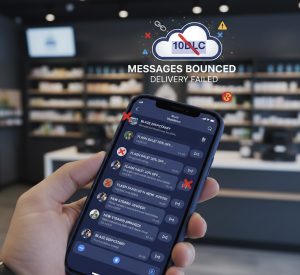
Why Promotional Language Hurts Deliverability
Carriers evaluate text messages based on patterns, wording, and user behavior. Messages that look like traditional ads are more likely to be filtered, especially in regulated industries like cannabis.
Common examples of risky language include:
- Explicit discounts or percentages
- “Buy one get one” phrasing
- Urgent sales language repeated frequently
- Overuse of emojis and marketing triggers
Even when customers have opted in, this type of language can reduce inbox placement over time. This is a major reason dispensaries struggle with SMS deliverability.
The Shift: From Advertising to Notification-Based SMS
The most effective dispensary SMS programs no longer treat texts as ads. They treat them as notifications.
Instead of promoting a deal directly, the message notifies the customer that something has changed, been added, or is available for review.
This shift aligns with how carriers expect compliant programs to behave and mirrors best practices outlined in our Dispensary Text Marketing Guide.
What “Shaft Compliant” 10DLC Messaging Means in Practice
For A2P 10DLC programs, carriers expect logical alignment between:
- The original customer opt-in
- The purpose of the message
- The destination content
This is a core principle of cannabis SMS compliance. The SMS itself should not contain promotional detail if the opt-in was framed around account updates, rewards, or notifications.
Instead, the message acts as a bridge to compliant, age-gated content.
The Winning Structure: Notification + Destination
High-performing dispensary SMS messages follow a simple structure:
- A neutral, informational notification
- A link to an age-gated landing page
- Value revealed after the age gate
This approach allows dispensaries to remain compliant while still running effective mass texting campaigns.
Examples of Compliant Dispensary SMS Messages
Below are examples of SMS messages that are carrier-safe while still driving engagement.
Rewards update
“ACME Dispensary: A new update has been added to your rewards account. View details here: [link]”
Availability notification
“ACME Dispensary: Items you’ve previously purchased are available again. See what’s new: [link]”
Account credit notice
“ACME Dispensary: Your account has been updated. Review your balance and details here: [link]”
Event or drop notice
“ACME Dispensary: New information is available for today. View details here: [link]”
These message structures comply with carrier expectations while still supporting real promotional activity.
Where the Deal Actually Lives
The deal should live on the landing page, not in the text.
By placing promotional content behind an age-gated landing page, dispensaries can:
- Meet cannabis compliance expectations
- Reduce risky SMS wording
- Track clicks and page views accurately
This model also improves long-term deliverability by keeping SMS content consistent and predictable.
Why This Approach Converts Better Long-Term
Customers do not opt out because they dislike value. They opt out because messages feel spammy or repetitive.
Notification-based SMS messages:
- Feel expected, not intrusive
- Preserve trust with carriers
- Support long-term customer retention
Frequency Matters More Than Wording
Even compliant messages can hurt performance if sent too often.
A strong baseline for dispensary SMS programs is:
- 2–3 notification-based messages per week
- Transactional messages tied to real customer actions
- Clear value on the destination landing page
This cadence aligns with best practices for both compliance and deliverability.
How Blackleaf Supports Compliant, Deal-Driven SMS
Blackleaf is designed to support this exact messaging model.
The platform helps dispensaries:
- Validate message structure before sending
- Host promotional content on age-gated landing pages
- Maintain A2P 10DLC compliance automatically
- Track delivery, clicks, and engagement
These capabilities allow teams to run effective campaigns without risking carrier filtering or compliance issues.
Final Takeaway
Dispensary SMS messages do not need promotional language to drive customers to deals.
The most effective programs use compliant, notification-style texts that guide customers to age-gated content where the real value lives. This approach protects deliverability, builds trust, and produces consistent results over time.