Automations for Retention and Re-engagement

Table of Contents

We added a complete set of automations for customer retention and re-engagement.

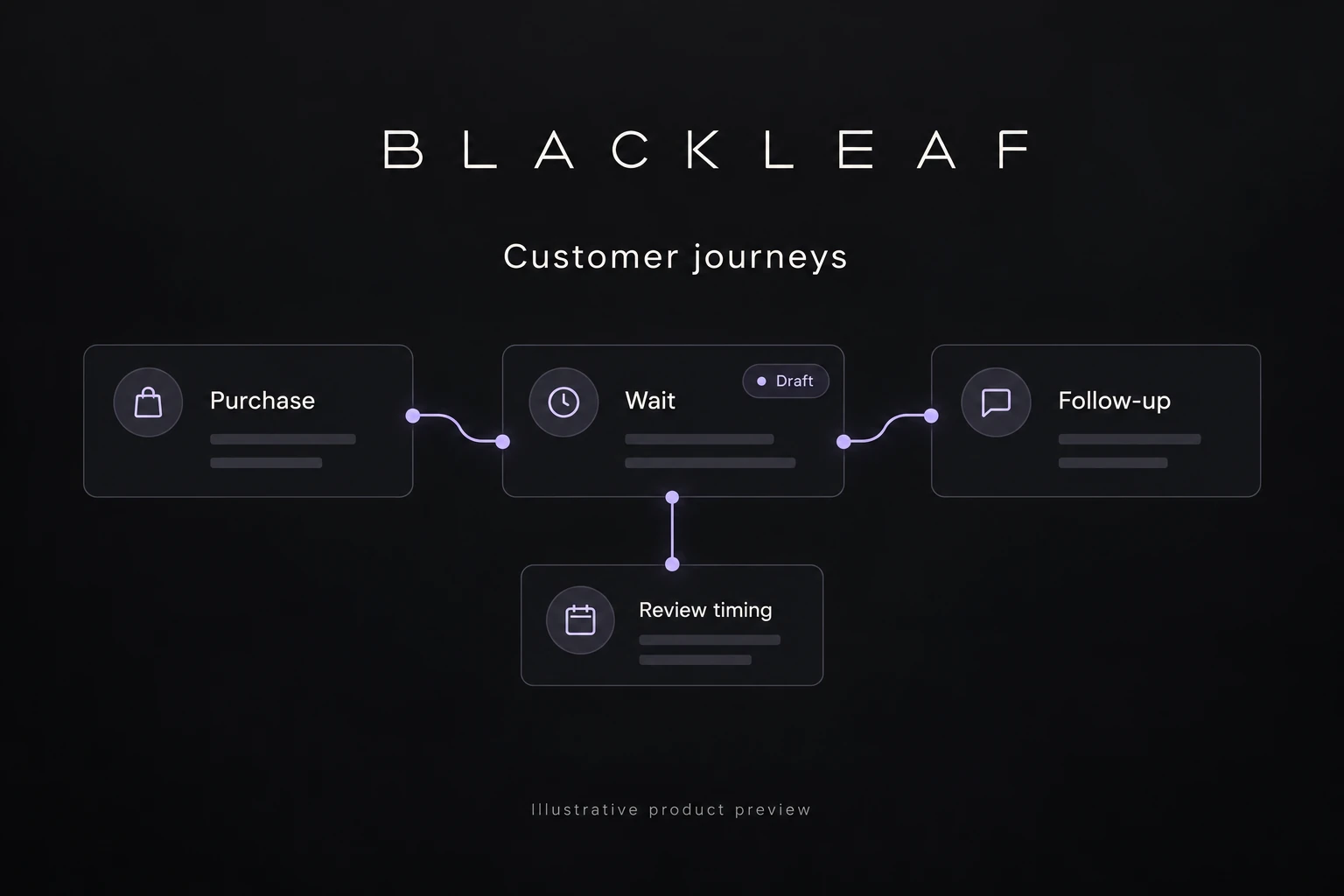
Messages can now respond to purchases, completed orders, customer milestones, and inactivity without requiring a new campaign every time. Each automation connects a customer signal to the next useful message, helping retailers stay present throughout the customer lifecycle.

Start with ready-to-use automation programs

Common retention journeys no longer need to be built from scratch.

Start with programs for first purchases, order completion, birthdays, anniversaries, review requests, replenishment reminders, customer win-back, and long-term re-engagement. Each program provides a practical starting point that can be adjusted to match the business, audience, and offer.

Re-engage customers on the right timeline

Inactivity means different things at different points in the customer relationship.

Automations can now distinguish between customers who are recently inactive, beginning to lapse, fully lapsed, or long-term inactive. Programs can respond after 1 to 3 days, 7 to 14 days, 30 days or more, and 60 to 180 days with messaging appropriate to that stage.

This prevents every inactive customer from receiving the same generic win-back text. A recent customer might need a helpful follow-up, while a long-term lapsed customer may need a stronger reason to return.

Use lifecycle events as the trigger

Timing is based on what the customer did, not only on the calendar.

An automation can begin when a customer completes a first purchase, places an order, reaches a milestone, celebrates a birthday or anniversary, enters a period of inactivity, or returns after being lapsed. These triggers make the message relevant to the moment that created it.

Keep transactional and promotional messages coordinated

Customers should not receive a promotional blast immediately after an order update or another high-priority message.

Automation timing can account for recent messaging activity so order notifications, account updates, review requests, replenishment reminders, and promotional messages work as one coordinated program. This reduces message collisions and gives every send a clearer purpose.

Monitor every automation from one view

Always-on programs still need active oversight.

See which automations are running, paused, completed, or stopped, along with their audience, delivery, engagement, failures, and cost. This makes it easier to identify a program that has stopped reaching customers, is sending too frequently, or needs a stronger message.

Why this matters

Retention depends on responding to customer behavior while the moment is still relevant.

These automations create a dependable foundation for post-purchase service, repeat visits, milestone recognition, review generation, and customer reactivation. Teams can spend less time rebuilding routine campaigns and more time improving the messages and offers that move customers forward.