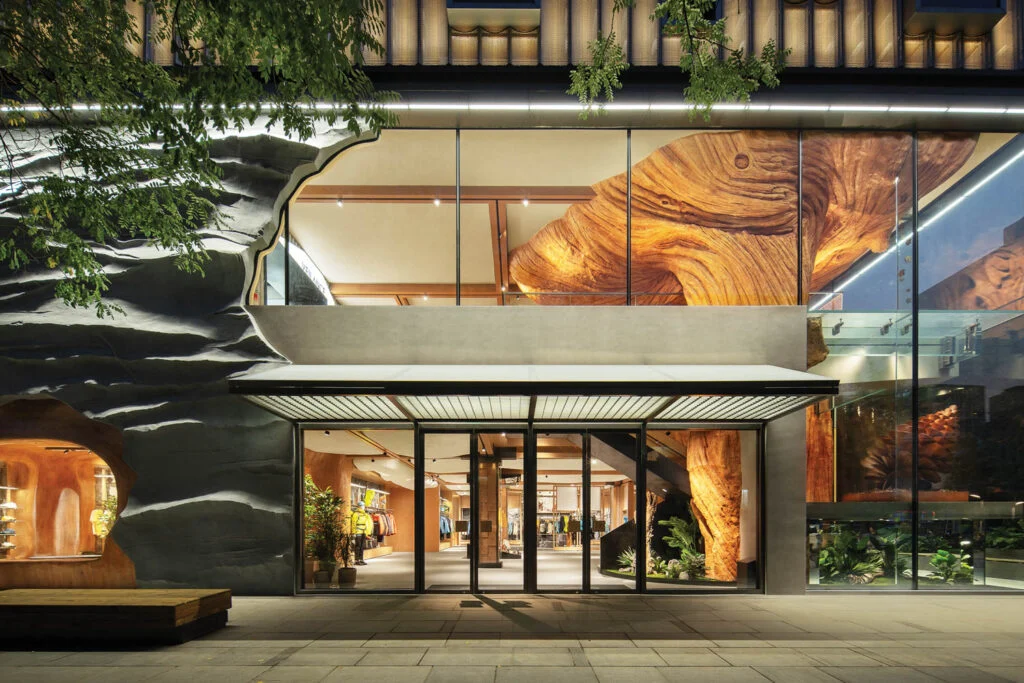
Dispensary design is no longer just about aesthetics or product displays. Modern dispensaries must be designed for speed, efficiency, and predictable customer flow.
As mobile ordering and pre-orders become more common, layout decisions directly affect wait times, staff workload, and overall customer experience.
This article breaks down how to design a dispensary for throughput and operational efficiency, and where communication systems support that design.
Why Dispensary Throughput Matters
Throughput refers to how many customers a dispensary can serve in a given period without creating congestion or delays.
Poor throughput leads to long wait times, stressed staff, and frustrated customers. High throughput allows dispensaries to handle peak demand without sacrificing experience.
Key Design Principles for Speed
Speed starts with layout. A dispensary designed for throughput minimizes unnecessary movement and decision points.
- Clear entry and exit paths
- Defined customer flow from entry to checkout
- Separation between browsing and pickup areas
- Minimal bottlenecks near registers
Customers should intuitively know where to go without relying on staff direction.
Designing for Mobile Orders and Pre-Orders
Mobile orders change how customers interact with physical space.
Customers who order ahead expect speed and certainty. If mobile order customers are forced into the same flow as walk-ins, efficiency breaks down.
- Dedicated pickup zones
- Clear signage for mobile orders
- Separate queues when possible
Designing distinct paths for different order types reduces congestion during peak hours.
Lobby and Waiting Area Considerations
The lobby is often where inefficiencies become visible.
- Unclear wait times
- Customers unsure when they will be called
- Overcrowding during rush periods
Designing lobbies with clear expectations and controlled flow helps prevent frustration before customers ever reach the counter.
Back-of-House Layout and Staff Efficiency
Throughput is not only a front-of-house issue. Back-of-house layout affects how quickly staff can prepare and hand off orders.
- Logical product storage placement
- Minimal travel distance between prep and pickup
- Clear work zones for staff
Reducing unnecessary movement improves both speed and accuracy.
Where Communication Supports Dispensary Design
Even the best physical layout relies on clear communication to function properly.
- Order ready notifications help time customer arrivals
- Pickup reminders reduce early or late arrivals
- Status updates prevent lobby crowding
When customers know exactly when to arrive, physical space is used more efficiently.
Designing for Peak Hours
Peak hours expose design flaws quickly.
A dispensary designed for average traffic will struggle during high-demand periods unless flow and communication are intentionally planned.
Designing for peak conditions ensures consistency and prevents operational breakdowns.
Final Takeaway
Dispensary design should prioritize movement, clarity, and predictability.
When physical layout and communication systems work together, dispensaries can serve more customers with less stress, shorter wait times, and a smoother overall experience.