- What Is the FCC’s One-to-One Rule?
- Why the One-to-One Rule Matters for Dispensaries
- How This Changes SMS Opt-In Practices
- One-to-One Consent and Multi-Location Dispensaries
- Why Carriers Care About One-to-One Consent
- Common Dispensary Mistakes Under the One-to-One Rule
- What Dispensaries Should Be Doing Right Now
- One-to-One Consent and Long-Term Deliverability
- Final Takeaway
Text messaging rules for businesses have tightened significantly, and the FCC’s One-to-One consent requirement is one of the most impactful changes for dispensaries.
This rule affects how consent is collected, how messages are sent, and how businesses communicate with customers at scale.
This article explains what the FCC’s One-to-One rule is, why it matters for dispensary texting, and what cannabis businesses should be doing now to avoid compliance and deliverability issues.
What Is the FCC’s One-to-One Rule?
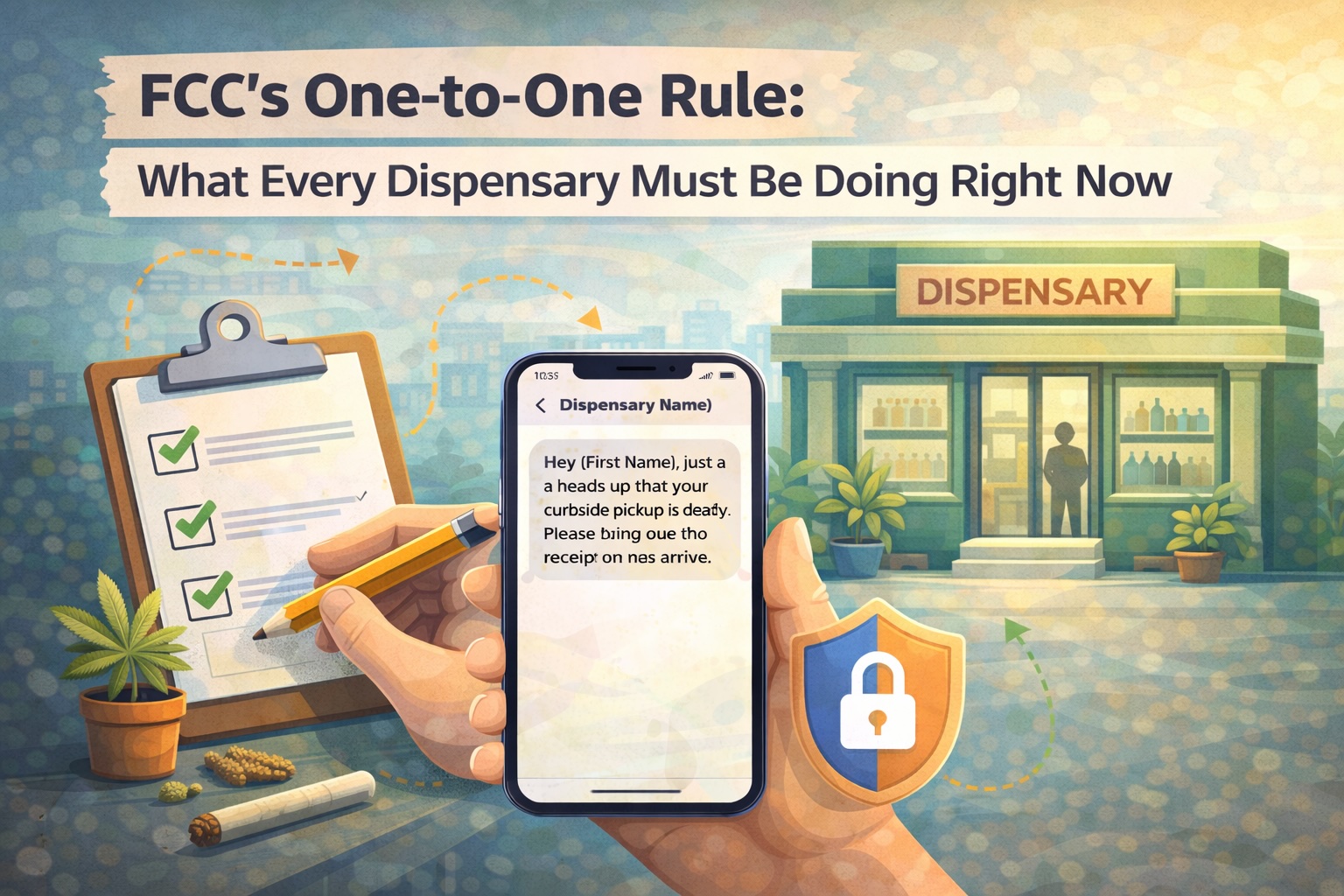
The FCC’s One-to-One rule requires that a consumer’s consent apply to a single business, not multiple parties.
In practice, this means customers must knowingly opt in to receive messages from a specific dispensary.
Consent can no longer be broadly shared or reused across multiple brands or locations without clear disclosure.
Why the One-to-One Rule Matters for Dispensaries
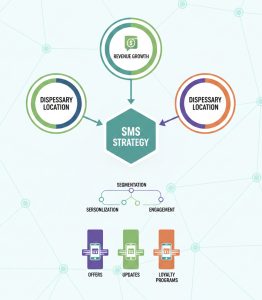
Dispensaries often operate within shared platforms, loyalty programs, or multi-location environments.
The One-to-One rule limits how consent collected in one context can be used in another.
- Consent must be tied to a specific dispensary
- Customers must understand who is texting them
- Assumed or transferred consent increases risk
Failure to follow this rule can result in compliance exposure and carrier scrutiny.
How This Changes SMS Opt-In Practices
Opt-in language must clearly identify the dispensary sending messages.
Generic opt-ins that reference a platform, partner, or group of businesses may no longer be sufficient.
- Each dispensary should collect its own SMS consent
- Brand and location should be clearly stated
- Message purpose should be disclosed
This applies to online, in-store, and text-to-join opt-ins.
One-to-One Consent and Multi-Location Dispensaries
Multi-location operators must be especially careful.
Consent collected for one store location may not automatically apply to another unless clearly disclosed.
Clear differentiation between locations reduces confusion and compliance risk.
Why Carriers Care About One-to-One Consent
Carriers view unclear consent as a leading cause of unwanted messaging complaints.
When recipients do not recognize the sender, opt-outs and reports increase.
One-to-One consent helps carriers verify that messages align with consumer expectations.
Common Dispensary Mistakes Under the One-to-One Rule
- Using shared opt-in lists across brands
- Relying on third-party consent without disclosure
- Failing to update opt-in language
- Assuming loyalty enrollment equals SMS consent
These mistakes often lead to deliverability issues before legal consequences appear.
What Dispensaries Should Be Doing Right Now
- Audit existing SMS opt-in language
- Confirm consent is tied to a specific dispensary
- Separate opt-in records by brand or location
- Document how and when consent was collected
Proactive updates reduce future risk.
One-to-One Consent and Long-Term Deliverability
Beyond compliance, One-to-One consent improves messaging performance.
Customers who recognize and expect messages are less likely to opt out or complain.
This strengthens sender reputation over time.
Final Takeaway
The FCC’s One-to-One rule changes how dispensaries must approach SMS consent.
Dispensaries that update opt-in practices now will reduce compliance risk, improve deliverability, and build more trustworthy customer communication moving forward.