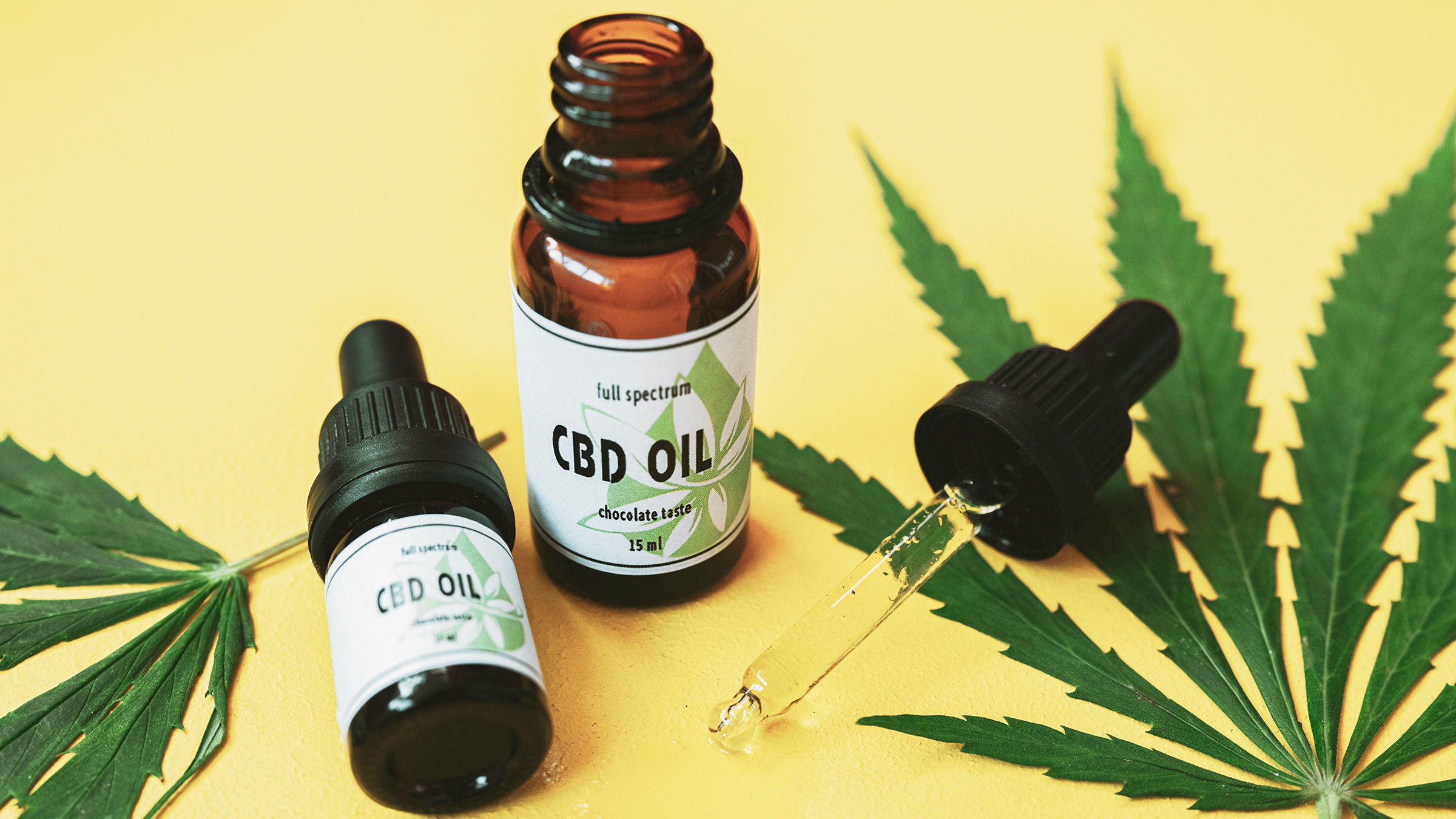
Text messaging is one of the most effective ways for CBD brands to communicate with customers. However, CBD businesses face stricter scrutiny from carriers compared to many other industries.
Without the right approach, CBD text messages can be filtered, blocked, or throttled, even when customers have opted in.
This article explains how CBD texting works, why messages are often flagged, and how CBD brands can communicate responsibly and reliably.
Why CBD Texting Is Treated Differently
CBD exists in a regulated gray area. While federally legal under specific conditions, it is still closely monitored by carriers and messaging platforms.
Carriers evaluate CBD traffic carefully to prevent misleading claims, unlawful promotion, or consumer harm.
Common Issues With CBD Text Messaging
Many CBD brands encounter delivery problems due to avoidable mistakes.
- Using prohibited health or medical claims
- Overly promotional language
- Inconsistent sender identification
- Missing opt-out instructions
Even compliant businesses can experience filtering if messaging patterns appear risky.
Consent and Opt-In Requirements
Clear customer consent is critical for CBD texting.
- Customers must explicitly opt in to receive texts
- Consent must apply specifically to SMS
- Opt-in language should be clear and documented
Assuming consent from other channels often leads to compliance issues.
Message Content Best Practices for CBD Brands
CBD messaging works best when it focuses on information rather than persuasion.
- Order confirmations and updates
- Account or subscription notifications
- Educational or informational messages
Avoiding medical claims and exaggerated benefits is essential for long-term deliverability.
Frequency and Timing Matter
Sending too many messages or sending at inconsistent times increases opt-outs and carrier scrutiny.
Predictable, limited messaging schedules are more sustainable for CBD brands.
Carrier Monitoring and Enforcement
Mobile carriers monitor CBD traffic patterns, not just message content.
High opt-out rates, sudden volume spikes, and repetitive copy can all trigger filtering.
How Text Messaging Can Still Work for CBD Brands
Despite added scrutiny, many CBD brands successfully use SMS by treating it as a communication channel rather than a promotional blast.
- Transactional notifications
- Order status updates
- Customer support follow-ups
When expectations are clear and messaging is restrained, deliverability improves.
Final Takeaway
CBD texting requires more care than traditional SMS marketing, but it can still be effective.
By focusing on consent, clarity, and responsible messaging, CBD brands can communicate with customers without triggering unnecessary carrier enforcement.