- What Is a Cashless ATM?
- How Cashless ATM Works at Checkout
- Cashless ATM Fees and Why Customers Ask About Them
- Pros and Cons of Cashless ATM for Retailers
- The Real Problem: Not Cashless ATM Itself, but Communication
- How Texting Improves Cashless ATM Conversion and Checkout Speed
- Best Practices for Cashless ATM Communication
- FAQ: Cashless ATM
- Final Takeaway
If you searched for Cashless ATM, you are probably trying to understand one thing: how customers can pay with a card in stores where traditional card processing is not always available.
Cashless ATM is a debit-based checkout method that can feel unfamiliar to customers. When it is not explained clearly, it can lead to surprises at the register, slower lines, and lost sales. The fix is not complicated. You need clear signage, clear staff scripting, and one more piece that most shops overlook: proactive communication.
This article breaks down what Cashless ATM is, how it works, common fees and customer questions, and how compliant texting can reduce checkout friction and improve conversion.
What Is a Cashless ATM?
Cashless ATM is a debit payment experience that resembles an ATM withdrawal. Instead of running a typical card purchase, the transaction is typically processed as a debit withdrawal for a rounded amount. The customer receives change back, often called “dispensed change,” similar to how an ATM might provide cash.
From the customer’s perspective, it can feel like they used their debit card normally, but the receipt and transaction format may look different than a standard retail purchase. That gap between expectation and reality is where confusion happens.
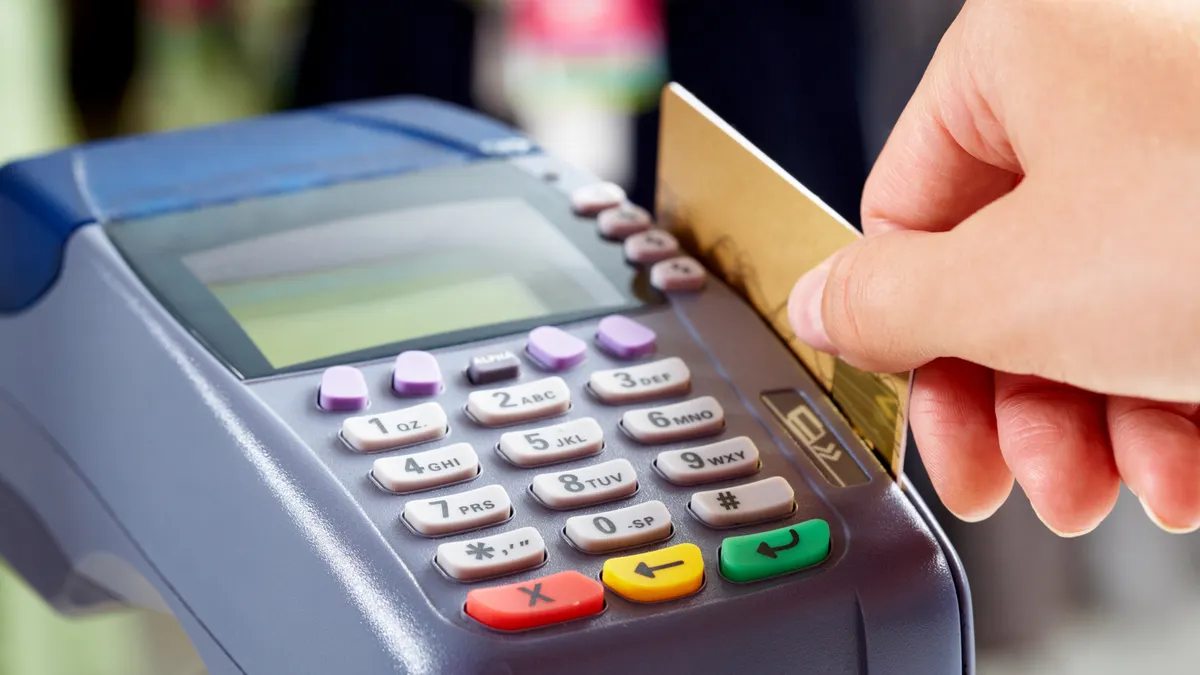
How Cashless ATM Works at Checkout
While implementations vary by provider, Cashless ATM commonly follows a pattern like this:
- Step 1: Customer inserts or swipes a debit card and enters their PIN.
- Step 2: The system processes the transaction as a debit withdrawal, usually in a rounded increment (for example, $60 instead of $57.42).
- Step 3: The customer receives the difference as change (for example, $2.58 back).
- Step 4: The receipt may show an ATM-style description rather than a typical purchase description.
The most important point is not the technical flow. It is the customer experience. If customers understand it, lines move quickly. If they do not, staff has to explain it during checkout, and the line slows down.
Cashless ATM Fees and Why Customers Ask About Them
Customers often ask about fees because they may see a small charge similar to an ATM fee. Whether a fee appears and how it is shown depends on the specific provider and card network behavior. Even when the fee is small, surprise is what causes frustration.
That is why the best strategy is simple: communicate the process clearly before the customer reaches the register.
Common customer questions to prepare for
- Why does it look like an ATM withdrawal?
- Why is the amount rounded up?
- Why did I get change back?
- Is there a fee?
- Will my bank decline this type of transaction?
Pros and Cons of Cashless ATM for Retailers
Cashless ATM can be a practical option when you need a debit-friendly checkout method. But it is not perfect. Here is a balanced view.
Pros
- Can reduce reliance on physical cash
- Familiar debit workflow for many customers
- Can speed up checkout when well explained
Cons
- Customer confusion if they do not understand the withdrawal format
- Potential declines depending on bank or debit network behavior
- Line slowdowns when staff has to explain it repeatedly
The Real Problem: Not Cashless ATM Itself, but Communication
Most checkout issues blamed on Cashless ATM are actually communication issues. When customers know what to expect, the transaction feels normal. When they do not, the register becomes a customer support desk.
If you want Cashless ATM to work smoothly, you need a system that teaches customers the flow before they arrive, not during checkout.
How Texting Improves Cashless ATM Conversion and Checkout Speed
Texting helps Cashless ATM in two practical ways:
- Expectation setting: Customers understand the debit withdrawal and change-back format before they show up.
- Visit protection: If a customer is unsure how they can pay, they may not visit at all. A clear message reduces that drop-off.
What to text customers, without sounding salesy
Keep it short, informational, and consistent. Examples:
- Payment heads-up: “Quick checkout note: debit runs as a Cashless ATM style withdrawal, and you receive change back.”
- Fee transparency: “Some banks show a small Cashless ATM style fee, similar to an ATM. Ask our team if you have questions.”
- Friction reducer: “To keep the line moving, please have your debit card and PIN ready at checkout.”
These messages are not promotions. They are operational clarity. That is why they tend to perform well. Customers appreciate not being surprised at the register.
Best Practices for Cashless ATM Communication
Use the same explanation everywhere customers might look, so the message is consistent.
- On-site signage: One clear sentence that explains debit withdrawal and change back.
- Receipt language: Train staff to explain why the receipt looks different.
- Website FAQ: A short “How payment works” section reduces support questions.
- Texting: A short heads-up message prevents confusion before customers arrive.
FAQ: Cashless ATM
Is Cashless ATM the same as a normal debit card purchase?
Not exactly. It often processes as a debit withdrawal in a rounded amount, with change returned. The customer experience can feel similar, but the transaction format may look different.
Why is the transaction amount rounded up?
Rounding is commonly used so the transaction can be processed in preset increments, and then the difference is returned as change.
Why do customers get confused?
Because the receipt and bank statement may look like an ATM withdrawal. If customers are not told ahead of time, they assume something is wrong.
What is the easiest way to reduce line slowdowns?
Explain it before checkout. A short, consistent explanation in text messages and signage reduces surprises and keeps the line moving.
Final Takeaway
Cashless ATM can be a useful debit checkout option, but it only feels smooth when customers understand it. The fastest way to improve the experience is proactive communication. Pair clear in-store signage with simple informational texts, and you will reduce confusion, speed up checkout, and protect visits that might otherwise be lost.