- What AIQ Is (Based on Public Product Information)
- Why Dispensaries Look for an AIQ Alternative
- Where Blackleaf Fits as an AIQ Alternative
- AIQ vs Blackleaf: Practical Differences for Dispensary SMS
- How to Decide If Blackleaf Is the Right AIQ Alternative
- Operational Takeaways for Any Platform Choice
- Final Takeaway
Alpine IQ acquired Happy Cabbage’s marketing suite (Happy Marketers) in 2025. If you are researching “Happy Cabbage texting,” see our factual breakdown here: What Happened to Happy Cabbage Texting.
If you are searching for an Alpine IQ (AIQ) alternative, the question usually comes down to one thing: what part of your stack is actually driving results and what part is creating operational friction.
AIQ positions itself as a marketing, loyalty, and ecommerce platform with omnichannel messaging, including SMS. Blackleaf is built around dispensary SMS infrastructure first, with emphasis on carrier behavior, deliverability, and compliance-driven sending patterns. The right choice depends on whether you want an all-in-one retail marketing suite or a specialized SMS layer designed for cannabis text messaging operations.
This article summarizes what AIQ offers based on its public documentation, and explains when Blackleaf is a practical alternative for dispensaries that want an SMS-first approach.
What AIQ Is (Based on Public Product Information)
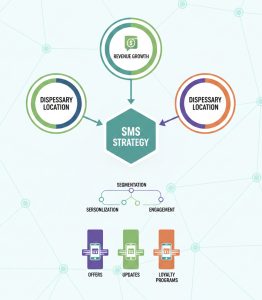
AIQ markets itself as software for marketing, loyalty, and ecommerce, with messaging features that include SMS and other channels. On its SMS marketing pages, AIQ describes segmentation and automated campaigns based on purchase history, loyalty status, and opt-in behavior. AIQ also highlights loyalty features and omnichannel enrollment and redemption. AIQ additionally documents a branded mobile app and web wallet experience for customers to view points, redeem discounts, and access rewards.
AIQ also publishes guidance on 10DLC registration and messaging requirements for regulated industries, including notes about content restrictions and template-based approaches intended to reduce compliance risk.
Sources: AIQ main site and features pages, loyalty product pages, mobile app documentation, and 10DLC guidance for regulated industries.
AIQ overview | AIQ SMS marketing | AIQ loyalty | AIQ mobile app and web wallet | AIQ 10DLC for regulated industries
Why Dispensaries Look for an AIQ Alternative
Most dispensaries switch platforms or add an alternative when one of these operational issues becomes limiting:
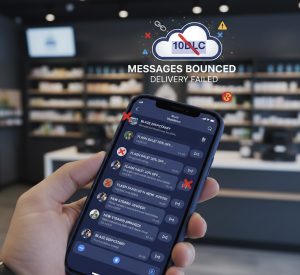
- Deliverability uncertainty: messages appear to send, but results vary by carrier and region due to carrier filtering.
- Compliance-driven content constraints: teams want a workflow that reduces risky language and avoids patterns that trigger filtering.
- SMS-first focus: the dispensary wants messaging infrastructure prioritized over broader ecommerce or loyalty features.
- API and integration needs: operators want to trigger texting from POS, ecommerce, or internal systems.
- Cost structure and messaging efficiency: teams want pricing clarity between SMS and MMS and operational tools to control what gets sent.
If your primary pain is deliverability and carrier behavior, you will evaluate tools differently than a dispensary whose primary pain is loyalty enrollment or app adoption.
Where Blackleaf Fits as an AIQ Alternative
Blackleaf is positioned around dispensary SMS and cannabis text messaging operations, including infrastructure elements that impact whether messages reach customers. Blackleaf describes cannabis-friendly 10DLC registration support, age-gated texting flows, and SMS APIs designed for cannabis platforms and dispensaries.
Blackleaf also publishes operational content about carrier filtering and why messages get blocked, which is typically the pain point that triggers an “AIQ alternative” search in the first place.
Sources: Blackleaf 10DLC registration, age-gated texting, SMS API pages, pricing, and carrier filtering content.
Blackleaf 10DLC registration | Age-gated texting | SMS API for cannabis | Blackleaf pricing | Carrier filtering overview
AIQ vs Blackleaf: Practical Differences for Dispensary SMS
This is not about which platform is “better.” It is about what each system is designed to optimize.
1) SMS as a feature vs SMS as infrastructure
AIQ presents SMS as part of an omnichannel marketing and loyalty suite, with campaigns, segmentation, and timing logic tied to customer data. Blackleaf is built around dispensary SMS infrastructure, focusing on the operational realities of regulated messaging, including deliverability and carrier filtering dynamics.
If your retention strategy depends on loyalty plus multiple channels, AIQ’s suite may be a natural fit. If your main KPI is consistent message reach and controlled sending behavior, an SMS-first system like Blackleaf tends to map more directly to that goal.
2) Compliance workflow and regulated content constraints
AIQ’s 10DLC guidance for regulated industries describes strict requirements and template-based messaging to reduce risk, including warnings about regulated terms and imagery and recommendations to use “clean” versions of brand elements. Blackleaf’s positioning emphasizes cannabis-friendly 10DLC registration support and age-gated texting flows designed for cannabis customer behavior.
If your team needs tight controls around message language and repeatable compliance processes, compare how each platform handles content restrictions, review workflows, and day-to-day operations.
AIQ 10DLC regulated guidance | Blackleaf 10DLC registration | Blackleaf age-gated texting
3) Loyalty app and customer experience layer
AIQ documents a mobile app and web wallet experience that centers loyalty visibility, rewards, and push notifications. If your dispensary prioritizes app adoption and an owned customer interface, AIQ’s documented approach matters.
Blackleaf’s pricing and product pages indicate it can include rewards and a rewards app at higher tiers, but its core emphasis remains dispensary SMS and the operational layer of cannabis text messaging. If you mainly need loyalty communications that reliably reach customers, SMS-first operations can be the priority even if an app exists.
AIQ mobile app documentation | Blackleaf pricing tiers
4) API control and integration flexibility
Some dispensaries do not want marketing locked entirely inside one dashboard. They want texting triggered from POS events, ecommerce behavior, support workflows, or internal tooling. Blackleaf provides public SMS API references and positioning for cannabis platforms, which is relevant if your business requires programmatic messaging.
If you have developers or an operator who wants system-level control over automations, review how each platform supports API-based sends, integration depth, and operational visibility.
Blackleaf SMS API for cannabis | Blackleaf API documentation example
5) Cost structure and message economics
Pricing is often a deciding factor, but it should be evaluated alongside deliverability and message efficiency. Blackleaf publishes plan pricing and per-message rates for SMS and MMS on its pricing page. AIQ pricing varies by contract and is not consistently published in a single public pricing table, so dispensaries typically confirm costs via sales process.
When comparing economics, focus on:
- SMS vs MMS rate differences and how often you truly need MMS.
- Registration and setup fees and what is included.
- Operational controls that reduce wasted sends and protect deliverability.
How to Decide If Blackleaf Is the Right AIQ Alternative
Use this decision filter. If most of these are true, Blackleaf is typically a strong alternative or complement:
- You want dispensary SMS to be the primary retention and revenue channel, not an add-on.
- Your main constraint is carrier filtering, deliverability inconsistency, or blocked messages.
- You need age-gated texting flows tied to cannabis customer behavior.
- You want API access or programmatic triggers for cannabis text messaging.
- You want published pricing and clear per-message economics for SMS and MMS.
If your highest priority is an all-in-one suite with loyalty plus a mobile app layer and broad omnichannel messaging, AIQ’s documented product positioning may map more directly to your goals. If your priority is reliable dispensary SMS operations under regulated constraints, Blackleaf is designed for that layer.
Operational Takeaways for Any Platform Choice
No matter which vendor you choose, your outcomes will be determined by operational execution:
- Opt-in quality: clean consent collection and clear disclosures.
- Message cadence: consistent sending patterns that do not trigger carrier risk systems.
- Content discipline: avoiding risky language patterns that drive filtering.
- Measurement: tracking deliverability indicators, opt-outs, clicks, and repeat purchase lift.
Carrier filtering is not a theoretical concept in cannabis. It is the system that determines whether your loyalty and marketing messages actually reach customers. Blackleaf’s content focuses heavily on this operational reality.
Final Takeaway
An “AIQ alternative” is not just a vendor swap. It is usually a decision about what layer of the stack you want to optimize.
AIQ publicly positions itself as a marketing, loyalty, and ecommerce platform with SMS as part of a broader suite. Blackleaf positions itself as dispensary SMS infrastructure, with emphasis on compliance, carrier filtering, and deliverability-first operations. Choose the system that matches your real constraint, because that constraint is what determines retention and revenue outcomes in cannabis text messaging.